

Structural warranty for HMOs
Latent defects insurance for the structure of an HMO - the foundations, load bearing walls, floors and roof - usually for 10 or 12 years from completion, with one certificate for the property.
- Instant response
- Insurer quotes usually within one working day of your proposal
- UK FCA Regulated Broker
- Structural and non-structural cover
- We fill in the proposal form with you
The short answer
An HMO structural warranty pays for putting right certain defects in the structure of the building that show up after the work is finished, usually for 10 or 12 years. It covers the structure, not the fit-out - ensuites and kitchens need non-structural cover, which some providers offer alongside it.
Covered and excluded
What an HMO structural warranty covers
This is what a structural warranty typically covers and leaves out. Every policy is different - the policy wording, schedule and any endorsements set out the cover for your HMO.
| Part of the HMO | Typically | Notes |
|---|---|---|
| Foundations | Covered | New foundations, such as for a rear extension, and existing foundations the provider has accepted |
| Load bearing walls and frame | Covered | Including new openings, steel beams and the walls they bear on, where designed by an engineer |
| Floors and stairs structure | Covered | The structural parts - joists and supporting structure - not the floor finishes |
| Roof structure | Covered | Including a new loft room or dormer built as part of the works |
| Waterproof envelope | On many policies | Roof coverings, walls, windows and doors keeping the weather out - sometimes with its own conditions |
| Ensuites, kitchens and fit-out | Not under structural cover | Needs non-structural cover, where a provider offers it |
| Wear and tear, maintenance | Excluded | Normal ageing and the upkeep any building needs |
| Appliances, accidental damage, tenant damage | Excluded | These are for buildings and landlord insurance, or manufacturer guarantees |
How long it lasts
10 or 12 years, in two parts
Most structural warranties run for 10 years from completion, and some providers offer 12. Many split the period in two.
- A defects period at the start - often the first two years - when the builder or developer is asked to put things right, with the warranty provider stepping in if they do not.
- A structural insurance period for the rest of the term, when claims for covered structural defects go to the provider.
The cover stays with the property, so if you sell the HMO, the next owner benefits for whatever remains of the policy period. The policy wording sets out who is covered and how.
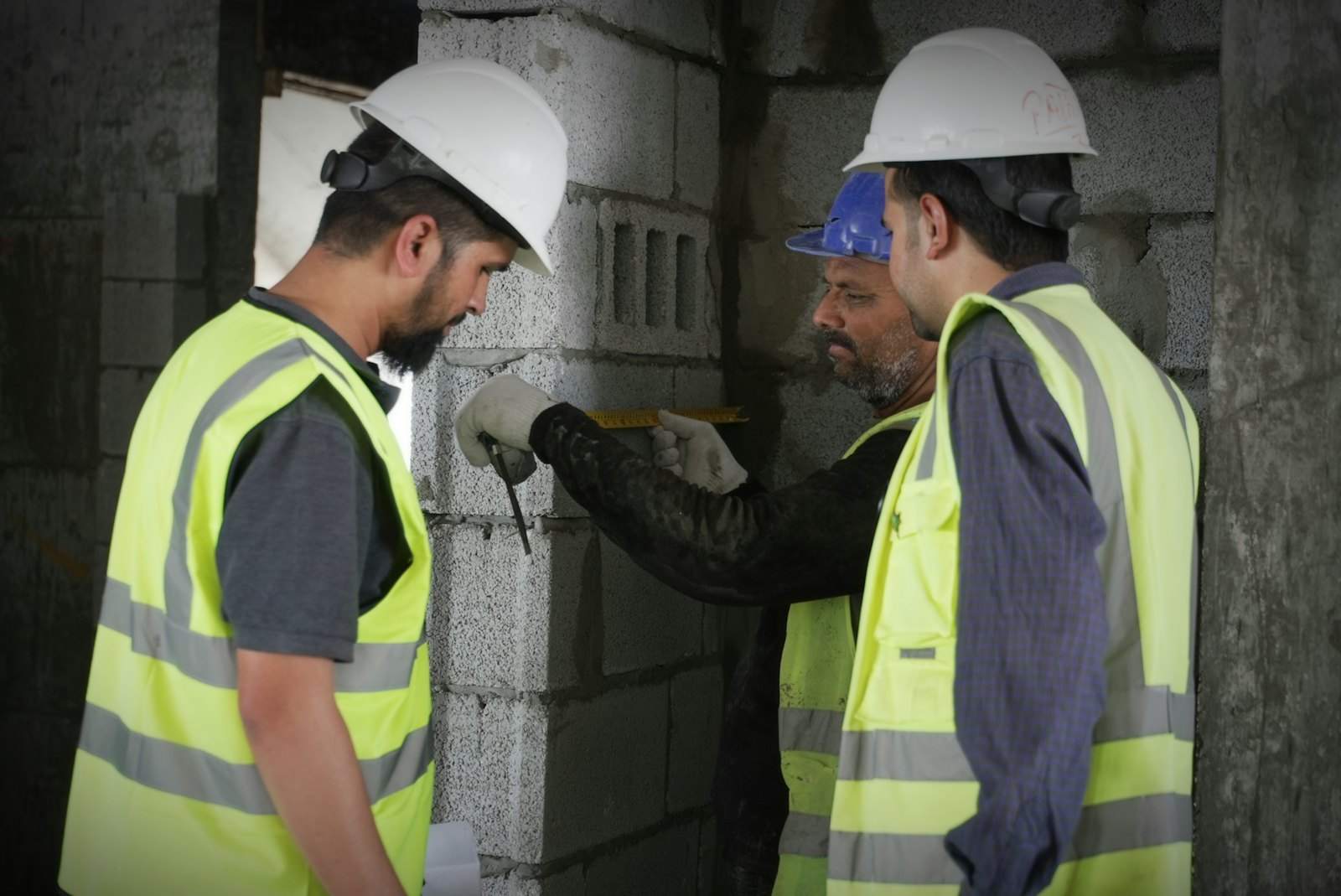
One property, one certificate
How an HMO is certificated
An HMO kept and let as one property is usually covered as one property, with one certificate for the building rather than one for each room. That is different from a house split into self-contained flats for sale, where each flat is normally certificated on its own - that is the territory of our sister brand Conversion Warranties.
The certificate is issued once the work is finished and the provider's surveyor is satisfied. Keep it safe - your lender, a future buyer or their conveyancer will ask to see it.
The existing house
Most HMOs are conversions of houses that have stood for decades. The provider's surveyor inspects the new work as it goes in, but nobody from the provider saw the original house being built, so how far the existing structure is covered depends on the provider and on what it finds. It may ask for a condition survey, ask for repairs or strengthening first, or exclude part of the old structure. We set out what it proposes before you commit. See house to HMO conversions for how providers look at the existing house.
Adding cover for the fit-out
On most HMO projects the bigger spend is the fit-out - ensuites, a communal kitchen or kitchenettes, plumbing, electrics and ventilation. A structural warranty does not cover that work. If you want it protected, some providers offer non-structural cover, on its own or alongside the structural warranty. See non-structural HMO cover.
Not the same as building control or landlord insurance
Building control checks the work against the building regulations, and your HMO licence is a matter for the council - a warranty replaces neither. Landlord buildings insurance covers events such as fire, flood and escape of water; a structural warranty covers defects in the way the building was designed and built. Many HMOs need all of them.
HMO structural warranty questions
What does a structural warranty cover on an HMO?
Typically the cost of putting right damage caused by defects in the structure - foundations, load bearing walls and frame, floors and the roof structure - and on many policies the waterproof envelope. The policy wording sets out the detail.
How long does an HMO structural warranty last?
Usually 10 years from completion, and some providers offer 12. Many policies start with a defects period, often the first two years, when the builder is asked to put things right.
Does a structural warranty cover ensuites and kitchens?
No - they are not part of the structure. Some providers offer non-structural cover for ensuites, kitchens and fit-out, on its own or alongside the structural warranty.
When should I arrange it?
Before work starts on site. The provider can then see the existing house before it is covered up and inspect the new work as it goes in, and more providers will consider the project.
Last reviewed 30 October 2026 by the HMO Warranties team. General information only - not advice. Your cover is set by the policy wording.
Get a structural warranty quote for your HMO
Tell us about the property and the work. We will come back with the providers likely to cover it and what they will want to see.
- Takes under a minute
- Instant reply by email with your reference
- Insurer quotes usually within one working day of your completed proposal
- HMOs anywhere in England, Scotland, Wales and Northern Ireland
- Free and no obligation
Already filled in a proposal form? Email it to us or send it on WhatsApp with any drawings you have and we will take it from there.
