

Non-structural cover for HMO ensuites, kitchens and fit-out
Most of the money in an HMO conversion goes into the fit-out, not the structure. Some providers offer cover for that work too - on its own or alongside a structural warranty.
- Instant response
- Insurer quotes usually within one working day of your proposal
- UK FCA Regulated Broker
- Structural and non-structural cover
- We fill in the proposal form with you
The short answer
Yes, you can get warranty cover for the non-structural work in an HMO, not just the structure. Some providers offer non-structural cover for work such as ensuites, kitchens and fit-out, either on its own or combined with a structural warranty. What it includes, how long it lasts and the limits depend on the provider and the policy, so we confirm the detail before you commit.
You may read elsewhere that a warranty can only cover the structure. A standard structural warranty does only cover the structure - non-structural cover is a separate product that fewer providers offer, which is why it pays to ask a specialist.
What counts as non-structural
The work non-structural cover is for
These are the parts of an HMO project that sit outside a structural warranty. Depending on the provider and the policy, non-structural cover can include some or all of them.
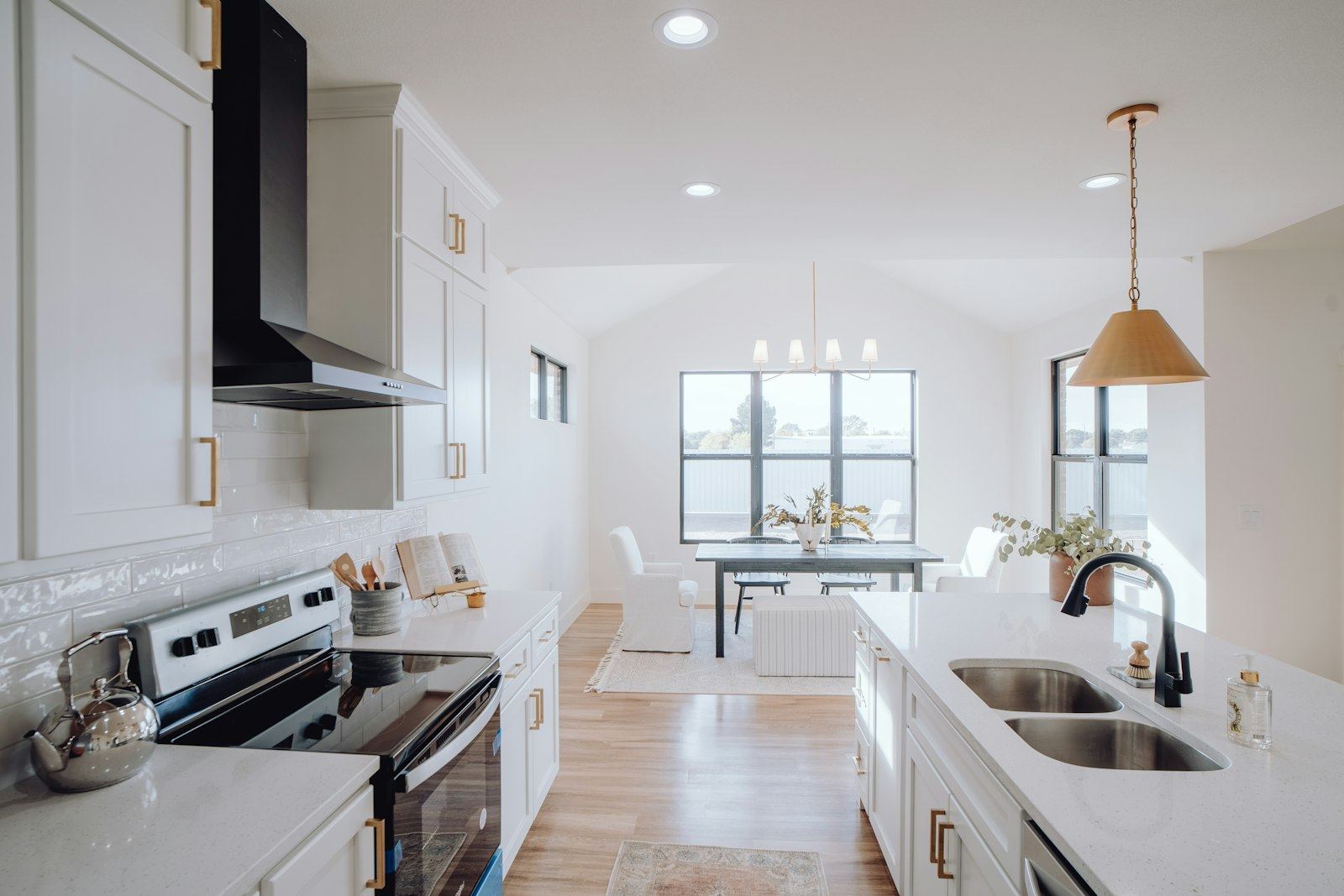
Ensuites and shower rooms
The ensuite in each room - tiling, shower enclosures and trays, waterproofing behind the tiles, sanitaryware and the connections to it.
Bathroom pods
Factory-made pods dropped into each room. Policies treat pods in different ways and the manufacturer often gives its own guarantee, so tell us if you are using them.
Kitchens and kitchenettes
A communal kitchen or a kitchenette in each room - units, worktops and the plumbing and electrics behind them. Appliances are normally left out.
Common parts
Hallways, stairs and landings, shared bathrooms and the communal finishes used by every tenant.
Plumbing and drainage
New pipework and soil runs for the extra bathrooms - the part of an HMO conversion most likely to cause a leak.
Electrics and ventilation
Rewiring for the extra rooms, extractor fans and ductwork for the ensuites and kitchens.
Side by side
Structural cover, non-structural cover and what neither covers
| Structural warranty | Non-structural cover | Not covered by either |
|---|---|---|
| Foundations, including for a new extension | Ensuites and shower rooms, depending on the policy | Wear and tear and normal ageing |
| Load bearing walls, steel beams and frame | Kitchens and kitchenettes, depending on the policy | Appliances such as ovens, fridges and boilers - manufacturer guarantees |
| Floor structure and stairs structure | Common parts and communal finishes, depending on the policy | Accidental and tenant damage - landlord insurance |
| Roof structure, including a new loft room | Plumbing, drainage, electrics and ventilation, depending on the policy | Fire, flood, storm and escape of water - buildings insurance |
| Waterproof envelope, on many policies | Bathroom pods, if the provider accepts them | Maintenance and cosmetic wear |
| Usually 10 or 12 years | Set by the provider - usually a different period from the structural cover | - |
What it pays for
What the cover pays for - and what it does not
Non-structural cover is there for defects in the way the work was designed, built or installed that show up after it is finished - a shower tray that was never properly sealed, a waste pipe laid to the wrong fall, a kitchen installed so badly it has to come out.
It is not maintenance cover and it does not replace your landlord insurance. Leaks from a worn seal years later, a broken appliance, damage by a tenant or a burst pipe in a freeze are for other cover. Most policies also have an excess and a limit, set out in the schedule.
How long it lasts
The period is set by the provider and is usually different from the 10 or 12 years of a structural warranty. Your quotation shows the period, the limits and any conditions before you decide.
On its own or combined
Buying it on its own or with a structural warranty
If your HMO project has no real structural work - a refurbishment that adds ensuites and a new kitchen inside the existing layout - non-structural cover on its own may be all you need, from a provider that offers it that way.
If walls are coming out, steels are going in or you are adding a loft room or an extension, you will usually want a structural warranty as well, and lenders who ask for a warranty usually mean the structural one. Some providers offer both together, which means one provider and one set of inspections for the whole project.
Tell us what work you are doing and we will tell you which providers are likely to consider it, and whether that is structural cover, non-structural cover or both.
How it sits next to other guarantees and insurance
| Cover | Who gives it | What it is for | Where it stops |
|---|---|---|---|
| Non-structural cover | A warranty provider or insurer | Defects in the fit-out work | Wear and tear, appliances, damage and anything excluded |
| Manufacturer guarantee | The maker of a product - a pod, shower, boiler or appliance | The product itself failing | Usually not the installation, and only while the maker is trading |
| Builder guarantee | Your builder | Putting right their own work | Only as good as the builder - worth little if they cease trading |
| Landlord buildings insurance | An insurer | Events such as fire, flood, storm and escape of water | Usually not defects in the way the work was done |
Non-structural cover questions
Can I get warranty cover for the ensuites and kitchens in my HMO, not just the structure?
Yes, from some providers. Non-structural cover can protect work such as ensuites, kitchens and fit-out, on its own or alongside a structural warranty. What is included depends on the policy.
What is a non-structural warranty?
Cover for defects in building work that is not part of the structure - in an HMO typically the ensuites, kitchens and fit-out. It is separate from a structural warranty and fewer providers offer it.
What is the difference between a structural and a non-structural warranty?
A structural warranty covers the building itself - foundations, load bearing walls, floors and roof structure - usually for 10 or 12 years. Non-structural cover is for the fit-out inside it, for a period set by the provider.
Are bathroom pods covered?
It depends on the provider. Some treat pods differently from ensuites built on site, and the pod maker often gives its own guarantee. Tell us if you are using pods and we will check.
Last reviewed 30 October 2026 by the HMO Warranties team. General information only - not advice. Your cover is set by the policy wording.
Ask about non-structural cover for your HMO
Tell us about the property and the fit-out. We will come back with the providers likely to cover it and what they need to see.
- Takes under a minute
- Instant reply by email with your reference
- Insurer quotes usually within one working day of your completed proposal
- HMOs anywhere in England, Scotland, Wales and Northern Ireland
- Free and no obligation
Already filled in a proposal form? Email it to us or send it on WhatsApp with any drawings you have and we will take it from there.
